What Is Computer Vision and How Is It Used on Pig Farms?
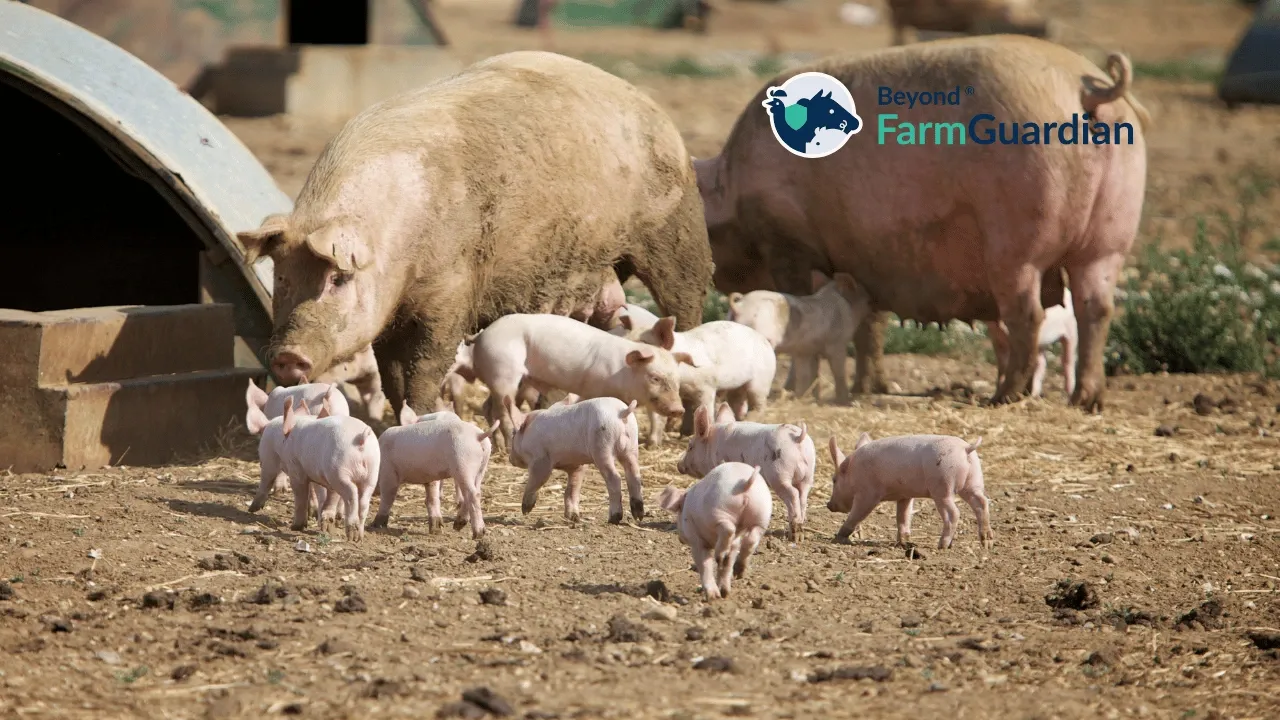
Cameras on a pig farm can record thousands of hours of video, but continuously watching that footage to identify changes in animals would be practically impossible for a person. Computer vision changes this dynamic by using artificial intelligence to analyze what cameras capture, identify patterns, and generate useful information for decision-making.
This technology allows monitoring systems to do more than simply record images. Through artificial intelligence algorithms, cameras can recognize specific behaviors, detect changes in pig activity, and generate alerts when they identify situations that may require attention. On a pig farm, this creates new opportunities to continuously monitor animal health and welfare.
How Does Computer Vision Work with Artificial Intelligence?
Computer vision is a technology that enables a system to interpret visual information from images or video. To do this, it uses artificial intelligence models capable of analyzing specific characteristics of what appears in front of a camera.
Instead of requiring a person to constantly review footage to determine what is happening, the system processes the video and looks for predefined patterns. It can identify animals, analyze their movements, and recognize changes that may be relevant to farm operations.
The value of this technology is not limited to detecting what is happening in an image. It also converts visual information into data that can be used to take action. On a pig farm, for example, a sustained change in animal activity patterns may be a signal that requires further inspection by farm personnel.
Artificial intelligence makes it possible to analyze this information continuously, which is particularly valuable in facilities with large numbers of animals distributed across multiple pens, where changes can occur at any time of day.
How Is Computer Vision Used for Pig Monitoring?
One of the most relevant applications is using cameras to observe animal behavior without placing devices directly on the pigs. Video analysis can provide information about activity, movement, and behavior through continuous observation.
Normal behavior patterns can vary depending on the animal’s growth stage, environmental conditions, feeding, and other factors. For this reason, having continuous data can help identify deviations from expected patterns.
Camera-based monitoring can also support the early identification of situations that could affect animal welfare. A pig showing reduced activity, behavioral changes, or alterations in its usual patterns may require further inspection. The technology does not replace veterinary assessments or the experience of farm workers, but it can help indicate where greater attention may be needed.
This capability is particularly useful when the number of animals makes it difficult to maintain individual observation throughout the day. Technology can expand monitoring capabilities without relying exclusively on manual observation.
Artificial Intelligence for Detecting Changes in Pig Health and Behavior
Early detection is one of the main benefits of applying artificial intelligence to swine monitoring. Some health-related issues may first become visible through changes in activity, behavior, or interaction with the surrounding environment.
A visual analysis system can identify these variations and provide information that allows the farm team to investigate a situation before it develops into a larger problem. This can help reduce the time between the appearance of an early signal and the corresponding intervention.
Analysis can also provide information related to indicators such as activity, behavior, feed consumption, environmental temperature, and other parameters, depending on the solution being implemented. By combining different sources of information, producers can gain a more comprehensive view of what is happening inside the pens.
The goal is not to replace the expertise of people working on the farm. Instead, it is to provide them with additional information so they can make faster, data-driven decisions based on continuously collected information.
Real-Time Animal Welfare Monitoring
Pig welfare has a direct relationship with farm productivity. Environmental conditions, access to feed and water, social behavior, stress, and certain health problems can affect animal development and, consequently, production outcomes.
Continuous camera-based observation makes it possible to detect changes that might go unnoticed during periodic inspections. In this context, technology can become a valuable support tool for monitoring animal conditions throughout different stages of production.
Real-time monitoring also helps shift from a supervision model based primarily on periodic checks toward an operation with greater response capabilities. When data indicates a deviation, farm personnel can investigate the cause and determine whether intervention is necessary.
For producers, this can create an opportunity to reduce losses associated with delayed problem detection and improve visibility into conditions across the farm.
What Are the Benefits of Computer Vision for Swine Production?
Integrating artificial intelligence and video analysis can provide both operational and production benefits. By automating part of the monitoring process, farm personnel can focus their efforts on situations that require direct attention instead of having to devote the same level of attention to every animal at all times.
Having historical information also makes it possible to analyze trends and compare animal behavior over time. This can help identify patterns and uncover opportunities to improve specific processes within the farm.
The technology can also help reduce losses by enabling earlier detection of situations that affect animal health, behavior, or welfare. Early intervention can make a significant difference when dealing with problems that can develop rapidly.
For an industry where small changes can have significant economic consequences, continuous information can become a valuable tool for improving efficiency and making more informed decisions.
Beyond FarmGuardian: AI-Powered Pig Monitoring
Beyond FarmGuardian combines computer vision, artificial intelligence, and IoT to provide continuous monitoring of pigs. The solution uses cameras and data analysis to identify changes related to animal activity, behavior, and conditions without requiring sensors to be placed directly on the animals.
The information generated can help farm managers identify signals that require attention and gain greater visibility into what is happening inside the pens. In this way, technology becomes a support tool for daily monitoring and decision-making.
The goal is to leverage artificial intelligence’s ability to continuously process information and turn the images captured by cameras into actionable insights for swine production.
To learn how this technology can be applied to your operation, talk to a Beyond FarmGuardian advisor and discover how an AI-powered monitoring system can support your farm. You can also try the solution free for 3 months.